Technical Resources
Powder Coated vs Anodised Aluminium
Finish specification for contractors and specifiers
Powder coating adds a cured organic film on top of aluminium; anodising grows a protective oxide layer from the metal itself. They are the two main finishes for the aluminium windows, doors, curtain wall and balustrades Onos fabricates for contractors in Dubai and across the UAE, and each has its own quality label and performance classes.
What is the difference between anodised and powder coated aluminium?
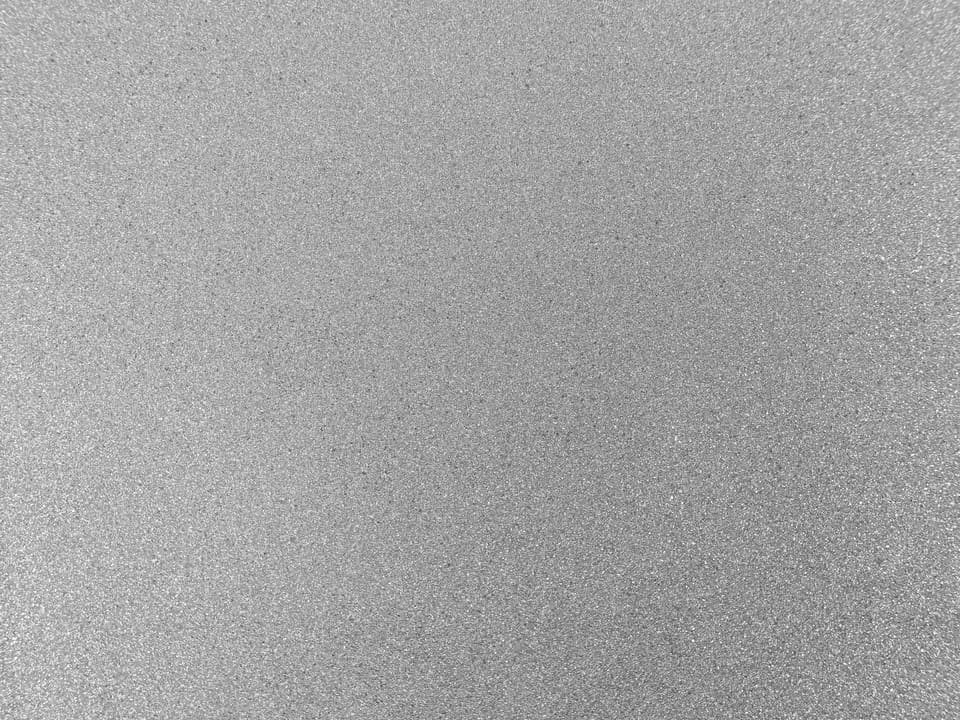
Powder coating applies a dry organic powder to pretreated aluminium and cures it in an oven into a continuous coloured film. Anodising is an electrochemical process that thickens the aluminium’s natural oxide layer, so the finish is part of the metal surface rather than a layer on top of it.
That difference drives most of the trade-offs. A powder film can be almost any colour and gloss but sits on the surface, so it suits colour-led designs; an anodic layer keeps the metallic look of aluminium and is specified by its thickness.
Each has a quality label held by the finishing plant, not by the fabricator: Qualicoat for coatings, whose Middle East association, QMEA, covers the UAE (Qualicoat members), and Qualanod for sulfuric acid-based anodising. US-based specifications use AAMA 2603, 2604 and 2605, which FGIA calls the “good, better, best” categories: pigmented organic, high-performance and superior-performing coatings in turn. Confirm whether AAMA or Qualicoat governs before pricing.
Powder coating and anodising compared
The class and the finishing plant matter more than the process name. This is how the two finishes line up on the points a specification has to fix.
| Criterion | Powder coating | Anodising |
|---|---|---|
| What it is | Organic powder film cured onto pretreated aluminium | Oxide layer grown electrochemically from the aluminium |
| Quality label | Qualicoat, held by the coating plant | Qualanod, held by the anodising plant |
| Performance classes | Qualicoat Class 1, 2 or 3; AAMA 2603, 2604 or 2605 | Layer thickness in microns, written A5 to A25 by NES Solutions |
| What the class measures | Gloss retention in natural weathering | Thickness of the anodic layer |
| Colour | Wide choice of RAL colours, gloss levels and textures | Natural silver and a narrower range of metallic tones |
| Coastal option | Qualicoat Seaside Class, a deeper pretreatment etch | A thicker layer, such as A25 |
| Colour matching | Controlled by batch against approved samples | Natural variation; agree colour-range samples first |
Powder coating gives the widest colour choice; anodising suits designs where the metal itself should show. For both, specify the class for the exposure and ask for the finishing plant’s current label. Sources: Qualicoat classes, Qualicoat Seaside Class, Qualanod, anodic thickness classes.
Finishes for the UAE climate
A finish in the UAE has to resist heat, UV, humidity, sand and, near the coast, salt. The Dubai Building Code design conditions include up to 48 °C in the shade, relative humidity up to 100%, heavy condensation, sandstorms and a coastal, sea-level design altitude (DBC 2021, Table G.3).
Either finish can work if it is specified for the exposure. What that means for the specification:
- UV and heat: Qualicoat Class 2 and Class 3 powders keep their gloss far longer than the Class 1 standard grade in Florida weathering (FCA Magazine, describing the Qualicoat classes), so they suit sun-exposed elevations.
- Coastal salt: Qualicoat’s Seaside Class is optional extra protection for more exposed conditions, such as within 5 km of a coastline; it raises the minimum etch of the aluminium surface from 1 to 2 g/m² (Glass Times). For anodising, NES Solutions describes A25 (25 µm) as the British Standard for severe, coastal or marine exposure (NES Solutions).
- Sand and dust: sandstorms mean frequent cleaning, so agree a cleaning method that suits the finish and put it in the handover documents. A US federal curtain wall specification calls up AAMA 609 and 610 for protection, cleaning and maintenance of aluminium (UFGS 08 44 00).
- Hardware and fixings: the finish protects only the aluminium. Fittings carry their own corrosion-protection class (Schüco lists Class 5 for AWS 75.SI+ fittings), and the DBC asks for fixings that are corrosion-resistant for the local environment (DBC 2021, E.4.1.1).
Qualicoat classes
Qualicoat classes are defined by how much gloss a coating keeps after natural weathering in Florida. Class 1 is the standard grade; Classes 2 and 3 are the more durable grades for high sun exposure. Specify the class by exposure, not just “powder coated”.
| Class | Name | Florida weathering criterion |
|---|---|---|
| Class 1 | Standard | Less than 50% gloss loss after 12 months (FCA Magazine) |
| Class 2 | Super Durable | Less than 50% gloss loss after 36 months (FCA Magazine) |
| Class 3 | Hyper Durable | Less than 50% gloss loss after 10 years (FCA Magazine) |
Source: FCA Magazine, “Why Florida test for architectural powder coating” (10 April 2025), describing the QUALICOAT classes; each class also has intermediate gloss and colour-change criteria. Current rules: QUALICOAT specifications, 26th Edition. Accessed 5 October 2026.
Powder coating specification
An aluminium powder coating specification needs six things: the standard and class, the colour and gloss, the pretreatment, the film thickness, the coating plant, and any element that needs a different class. Without them, two quotations for “powder coated aluminium” can describe very different finishes.
- Standard and class: Qualicoat Class 1, 2 or 3, or AAMA 2603, 2604 or 2605, by elevation or exposure
- Colour reference, gloss level and texture, with approved samples
- Seaside Class pretreatment where the site is exposed to coastal air
- The minimum film thickness required by the chosen standard, and how it will be checked
- The coating plant’s name and its current Qualicoat label
- Any element that needs a different class, such as a coastal elevation or a pool area
Anodising specification
An anodised aluminium specification states the layer thickness, the colour and the anodising plant. Thickness is specified in microns under systems such as Qualanod and BS EN ISO 7599; NES Solutions lists A5 and A10 for indoor use, A15 and A20 for outdoor use, and A25 (25 µm) for coastal or severe exposure (NES Solutions). The current Qualanod specification is the edition dated 1 July 2026; ask for the plant’s current Qualanod label.
Anodised colour varies between batches, so agree colour-range samples before production. A US curtain wall master specification asks for samples showing the extreme limits of colour variation where variation is expected (VA 08 44 13).
Choosing a finish
Start from the design intent and the exposure. These six checks settle most finish schedules.
-
Colour
A specific RAL colour, a dark tone or a match across several products points to powder coating.
-
Metallic look
A natural silver or metallic finish that is part of the surface points to anodising.
-
Exposure
Coastal and sun-exposed elevations need a higher specification either way: Qualicoat Class 2 or 3 with Seaside Class pretreatment (Glass Times), or a thicker anodic layer such as A25 (NES Solutions).
-
Large elevations
Where panels are seen side by side, agree colour-range samples before production, especially for anodising.
-
Mixed packages
Windows, doors, curtain wall and balustrades from different systems should share one finish schedule so colours and classes match.
-
Cost drivers
Special colours, higher classes, coastal pretreatment, many colours in small batches and protection of finished profiles for transport all add cost. We price the finish from your schedule, not a flat rate.
Specification and what to send
Send a line per element with the drawings and BOQ: the product, the system and series, the standard and class, the colour and gloss, and whether the site is coastal.
We fabricate aluminium windows, doors, curtain wall, balustrades and profile kits, and price the finish with each package. Ask any fabricator, Onos included, which plant will finish the profiles and for that plant’s current Qualicoat or Qualanod label.
Send a finish schedule
Send the drawings, BOQ and a finish schedule by element to request a quotation for fabricated, finished aluminium.
Send drawings. Get a fabrication price.
Tell us what you need. Onos replies with questions or a written fabrication quotation, and never quotes for installation.
- Drawings: elevations, sections and the opening or panel schedule
- System and series, or the performance the specification asks for
- Finish, glass make-up and hardware
- Quantities or a BOQ, and the delivery emirate
- Programme: when you need fabricated units on site
- Who installs: your team or your nominated installer
Drawings and BOQs: [email protected]